

Meanwhile, insects are disappearing and soils are becoming depleted. Agriculture will have to change. And farmers are not the only ones.
You want tomatoes in January, strawberries in March, meat every day and ever-lower prices? That is foolish, and I have some bad news: nature cannot grant that wish. Worse still, it seems determined to make things more difficult.
Droughts, heatwaves, floods, late frosts: farmers must now contend with an increasingly unpredictable—not to say violent—climate. Agriculture finds itself in an uncomfortable position: it contributes to climate disruption and biodiversity loss while suffering severely from their consequences. The picture is bleak: we in the West have spread a food system that undermines the very conditions of its own existence. And because our arrogance knows no bounds, we want to impose it on everyone and keep it running, whatever the planet’s physical limits.
Harvests Under Pressure
Take olive oil, for example. A cornerstone of Mediterranean cooking, olive oil is produced by mechanically pressing fresh olives. It is particularly rich in monounsaturated fatty acids and antioxidants, nutrients recognised for protecting cardiovascular health. Olives are also a staple of pre-dinner drinks across Europe. Whether harvested green early in the season or black when fully ripe, they grow on olive trees that need Mediterranean climatic conditions. Yet in many Mediterranean regions, droughts and extreme temperatures disrupt flowering, reduce yields and drive up prices. You will have noticed that bottled olive oil prices have soared in recent years. Although they seem to rise in good years too, don’t they?
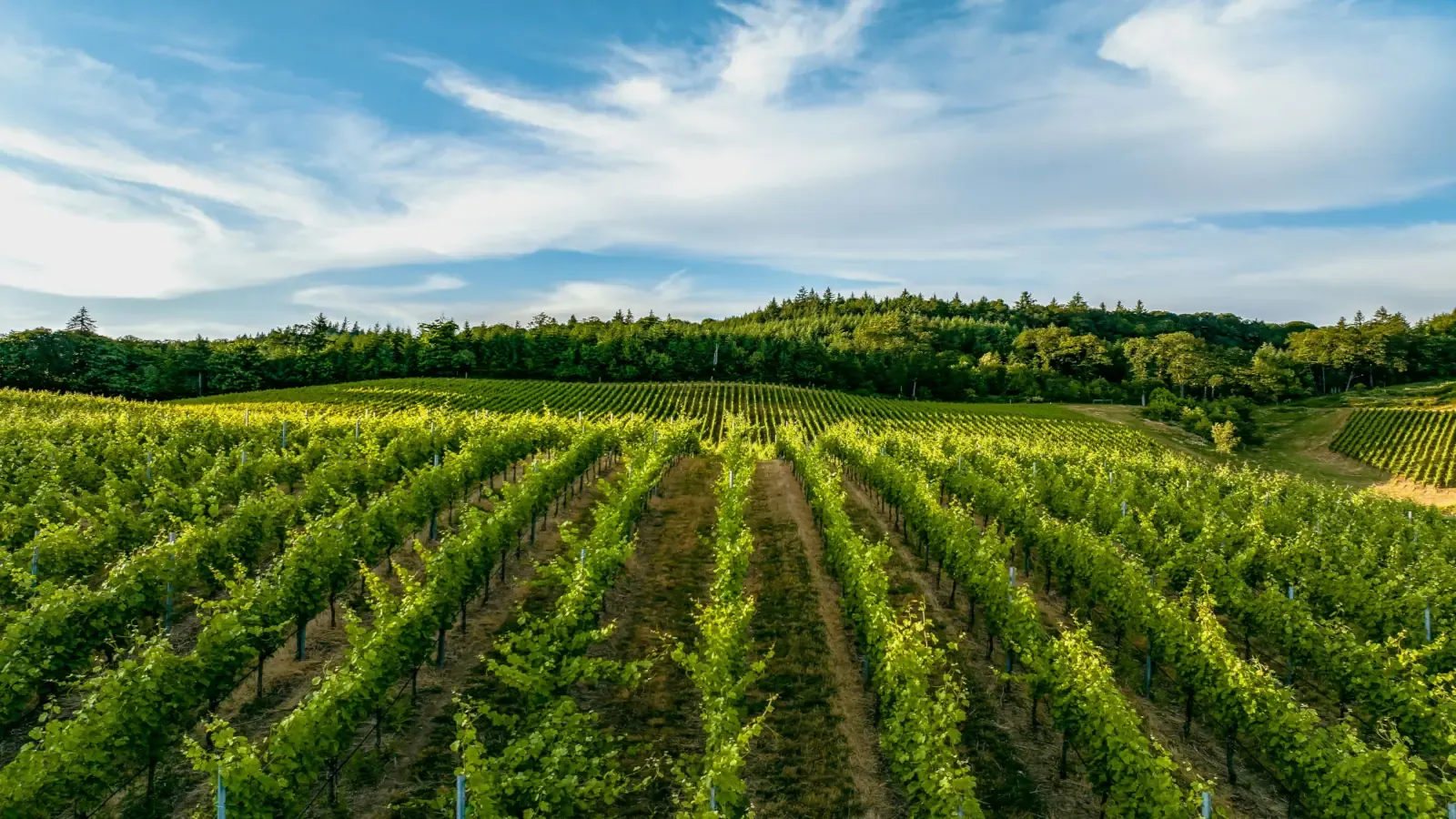
Another example closely associated with France is wine. A cornerstone of French gastronomy and heritage, wine is produced through the natural fermentation of fresh grape juice. Grapes generally grow on vines that require distinct seasons and a particular balance of temperatures. Yet in many wine-growing regions, late spring frosts and summer heatwaves affect ripening, alter flavour profiles and push up prices too.
The same applies to coffee, whose prices keep climbing. In many producing regions, disrupted rainy seasons and rising temperatures encourage plant diseases and reduce the area suitable for cultivation. Higher prices inevitably follow.
Chocolate is no different. In many producing regions of West Africa, prolonged droughts and heatwaves weaken the trees, harvests collapse—and prices rise.
In the Netherlands, coastal farmland faces increasing salinisation because of a shortage of fresh water, which normally keeps salt water from intruding. This shortage makes growing potatoes particularly difficult.
Across Europe, cereal crops suffer in extreme heat, driving up prices and leaving countries such as Egypt facing food insecurity and even political instability. Livestock farmers must contend with fodder shortages, particularly after summers like the one we experienced in 2026.
Climate disruption is therefore not simply a few extra degrees, or occasionally a few fewer. Above all, it means profound changes to seasons, water requirements, diseases and growing conditions. Ultimately, it puts the food security of millions of people worldwide at risk.
After that catastrophic picture, I can already imagine poorly informed or utterly ignorant politicians objecting that some regions or crops might temporarily benefit from this widespread disruption. Yes, certainly. But those gains will not necessarily compensate for losses elsewhere, much less for endangering people who have asked for nothing more than the chance to live.
The Hidden Cost of the Collapse of the Living World
According to INSEE, France’s national statistics institute, farmland bird populations have fallen by more than 30% over the past forty years. Around two-thirds of the country’s traditional hedgerows have disappeared since 1950. Add excessive, almost routine pesticide use, increasingly uniform landscapes, disappearing grasslands and habitat destruction, and you have a countryside profoundly transformed, particularly in Europe.
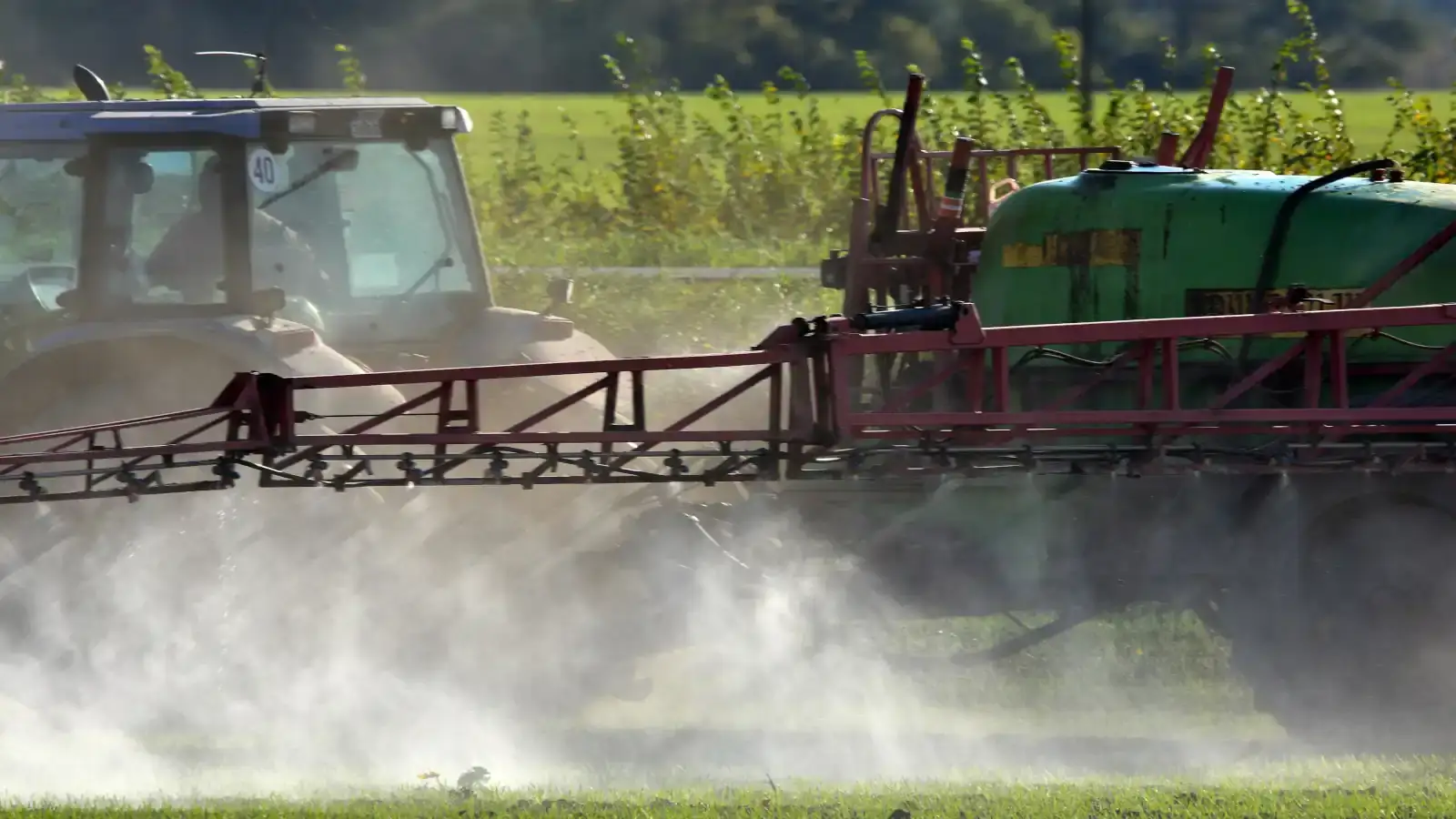
Then, little by little, beekeepers noticed their hives emptying. Farmers began questioning why yields were falling despite ever-greater use of insect-killing pesticides.
I can accept that beekeepers may not initially have been informed of the risks. That farmers had no other choice if they wanted to survive—fair enough. But, as with the tobacco industry, nobody will convince me that the engineers involved in developing these chemicals never considered the consequences of their discoveries. Worse still, decision-makers of every kind who approved these projects while knowing the risks should be brought before the courts.
Let us remember: we learn at school that pollinators, earthworms, fungi and microorganisms help maintain healthy soils. And therefore healthy agriculture.
As early as 1962, Rachel Carson warned in Silent Spring about the consequences of these chemicals for the living world. Let me also remind you that DDT was first used by the military during the Second World War to kill worms and lice that were decimating soldiers. And guess which country approved DDT for agricultural use back then? The United States, of course. Them again…
In less than a century, we have managed to eliminate some of nature’s helpers and replace them with industrial inputs. Honestly, when I think about it, I find that quite remarkable: destroy free services, then spend money trying to replace them. Capitalism’s circular logic: invent, create, destroy, replace and perhaps repair, with the public picking up the bill. A depressing state of affairs in which those least responsible often pay the highest price.
Farming Differently, Rather Than Simply Shifting the Problems
So what do we do now that we have reached the point of wondering whether farmers can keep producing on land already under cultivation? Let us be clear: expanding farmland by clearing forests or other habitats is not a sustainable solution. More than four million hectares of primary forest have been lost—an area equivalent to just under 10% of mainland France.
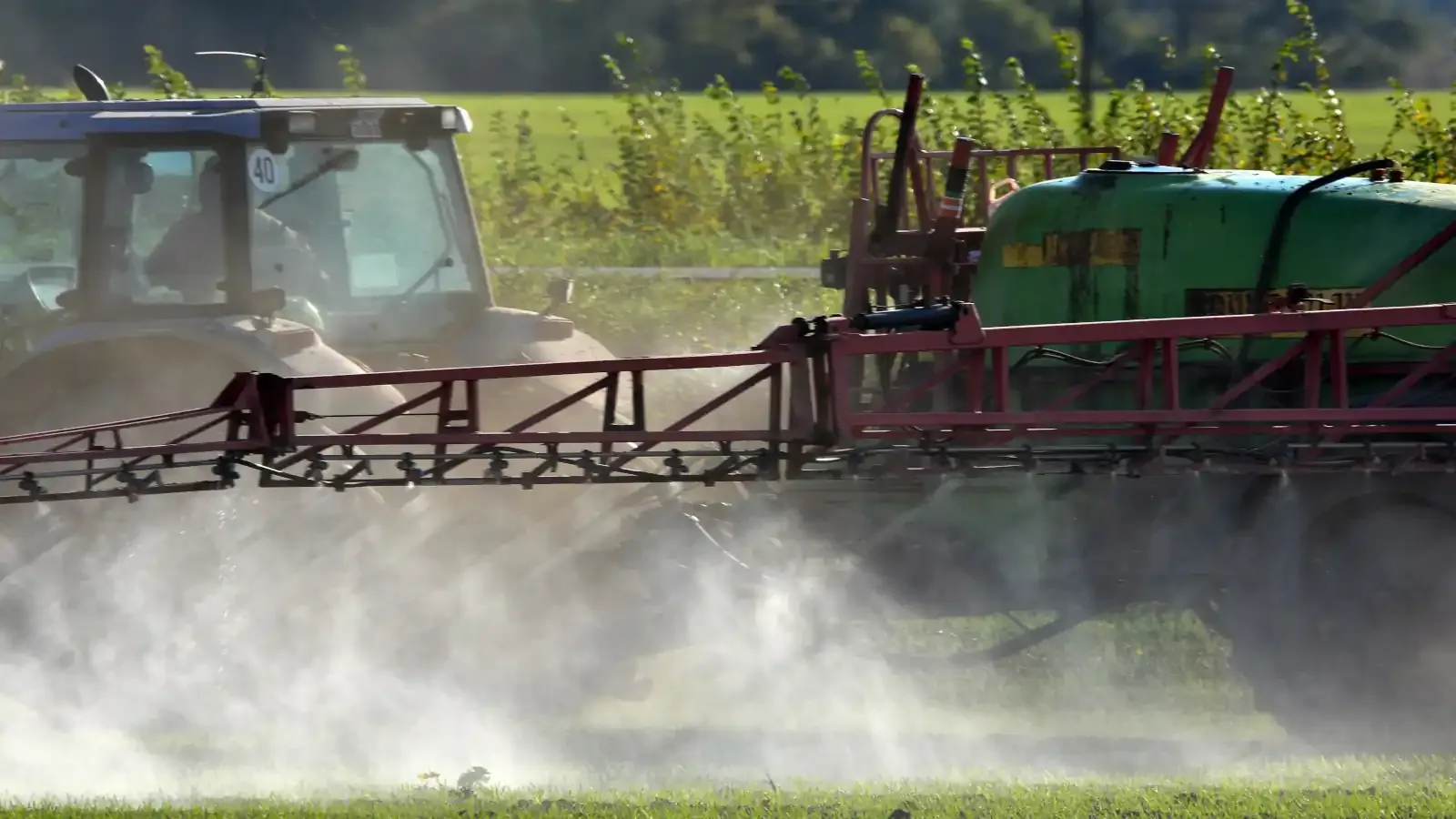
Solutions do exist, however, and they are viable over the long term, even if they are less profitable immediately. Diversifying crops is surely one of the first steps. Enough of the monocultures that deplete soils, cause dramatic biodiversity loss and encourage pests and diseases, forcing farmers to overuse chemicals. Monocultures that drive deforestation in the search for fresh fertile land. Longer crop rotations, restored hedgerows, protected grasslands and keeping soils covered are all serious options.
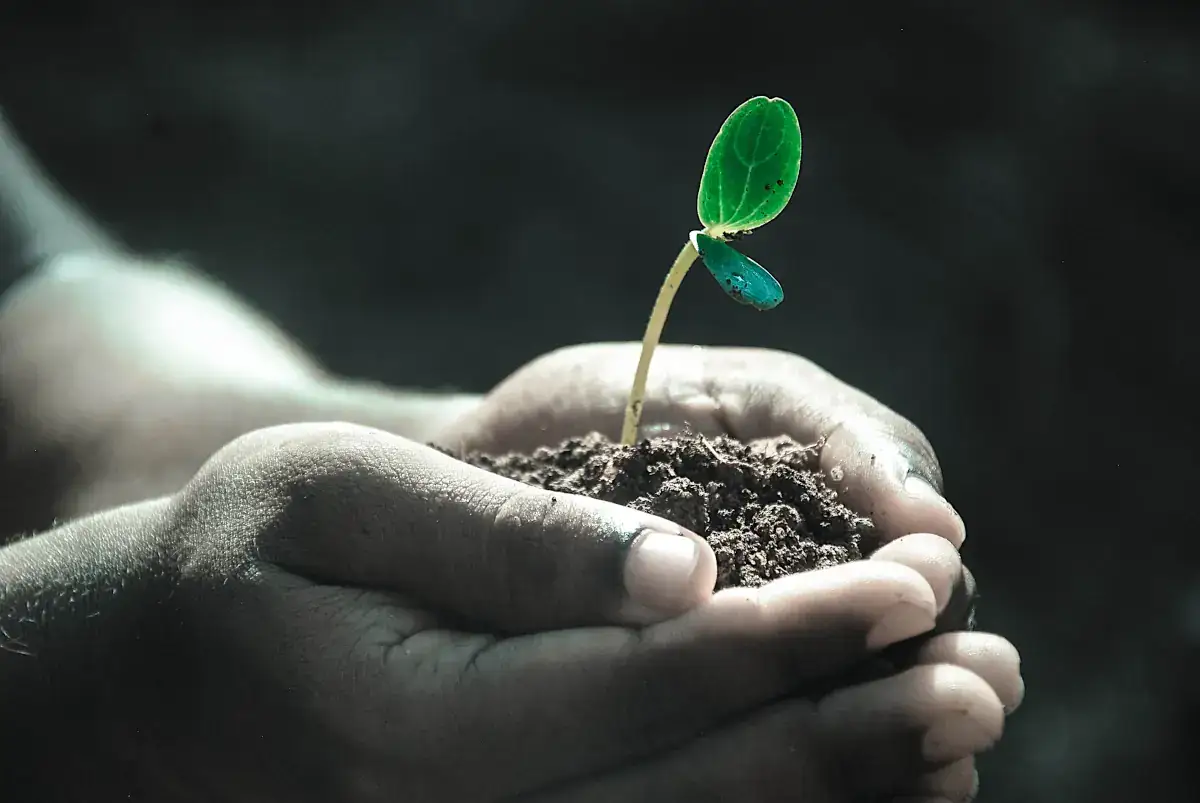
Agroforestry, which combines trees with crops or livestock on the same plot, is a local solution worth prioritising. Among other benefits, it provides shade, limits erosion and supports biodiversity.
Replacing wheat, maize or even lawns with legumes helps reduce overall demand for nitrogen fertilisers. And what could be better than a good lentil and feta salad?
Selecting varieties adapted to heat, drought or salinity can also help, although it requires extensive research beforehand.
Yes, the list is long and solutions exist, but no technique offers a universal answer. Take irrigation. It can save a harvest, but it does not create any additional water. In a river basin already facing shortages, increasing withdrawals risks making matters worse. Hence the heated debates over huge irrigation reservoirs known in France as “mega-basins”.
One thing is certain: the status quo is no longer an option. Telling farmers they can carry on as before with a few adjustments or subsidies is an outright lie. In some places, crops, practices and even regional specialities will have to change. Farmers committing to this genuine transformation need strong support. Others, particularly large farms that refuse to change their practices, should see their subsidies reduced in future—sometimes drastically. I will spare you the name of a grain farmer I once knew who explained that he had to keep expanding because he received huge area-based subsidies that formed the core of his income. An absurdity in 2026. Not to mention the resale of farm machinery originally subsidised by regional or national government, which can, under certain conditions, qualify for tax exemptions even when sold at a profit.
And I almost forgot: how can we expect a genuine transformation of agriculture when the president of France’s main farming union also chairs the board of a major industrial group specialising, among other things, in biofuels, animal feed and food? I am not accusing this individual of wrongdoing. What I find deeply questionable is the system that allows such overlapping responsibilities and the potential conflicts of interest they create.
In any event, maximising annual yields must no longer be the overriding objective. We can now see the damage it causes. Agricultural systems must evolve if we hope to maintain viable production despite repeated shocks. Assuming it is not already too late!
Farmers Cannot Save the Planet on an Overdraft
It would be easy, and bordering on indecent, to demand that farmers change their model immediately. But the central question is: who pays for this transformation?
All these changes require time, labour that is difficult to find in the current circumstances, and enormous investments involving real risks. It is a difficult proposition to sell if we basically tell farmers to fend for themselves. Without support, they clearly will not take that path. Indeed, that is what we have been seeing for a decade already.
Farmers also face other pressures: from industrial buyers, from supermarkets that frequently squeeze them, and from international markets whose fluctuating prices make long-term planning difficult. We consumers bear some responsibility too. We demand cheap, standardised products available all year round, then act surprised when farmers prioritise yields and cut costs.
I do not believe we can resolve this contradiction by blaming individual farmers. Quite the opposite. The agricultural revolution will certainly be expensive. But here too, inaction will cost far more in money and jobs over the long term.
And What About You, in the Supermarket?
You are not personally responsible for the entire agricultural system. But your eating habits help keep it running. I am sure you know what needs to change, and what you can do also depends on what you can afford.
We hear it every day: eating less meat could, in theory, free up land and reduce emissions. I say “in theory” because human ingenuity is so impressive when it comes to consuming more and making more money that I am not even sure industrial businesses would put that freed-up land to good use.
More plant-based foods, less waste and more seasonal, local eating are all ways to help. Be careful, though: local produce is not automatically environmentally friendly, just as organic produce does not necessarily have a perfect environmental record. We need to examine production methods, the resources used and the consequences for ecosystems before authorising any particular activity. This raises a question I will return to soon: is the so-called free-trade system the right framework for a successful ecological revolution? I do not think so. In fact, I think the opposite—without suggesting that I want a return to the Soviet state farms of old!
But let us show a minimum of seriousness and consistency: demanding farming that respects the living world while expecting ever-cheaper products available at all times is simply impossible. We must accept paying a little more for food while cutting other, less essential spending. Everyone will make their own choices.
Having tracked my spending for several years now, I can say that eating local and/or organic food costs me around 15–25% more, or almost €60 extra per month. I live in a small town in the Meuse department, where prices differ from those in major cities.
For someone who can cut a non-essential expense, that is hardly insurmountable. But—and this is where income becomes the problem—when you are already stretched to the limit and your entire salary goes on basic necessities, eating better is very difficult. Perhaps that is where subsidies should go? Rather than into the pockets of large grain producers selling their crops abroad or supplying biofuels that are sometimes worse than conventional diesel? I know I am exaggerating a little, but it makes me feel better, and I do not think I am that far from the truth.
Agriculture is not just a matter for farmers. Far from it. Governments, manufacturers, retailers and every one of us bear responsibility for what farming becomes. Above all, I think we need to abandon an old obsession: wanting to produce ever more, everywhere, in every season, at the lowest possible cost.