



Cancers and neurological or respiratory diseases. Through our taxes, the state funds hospitals, treatments, screening programmes and prevention campaigns. Scientists cry out in despair as entire swathes of biodiversity disappear.
On the other, we keep releasing substances into our environment that were specifically designed to kill living organisms.
Then we express mild surprise that these chemicals might have a few side effects. Yes, pesticides are not responsible for every disease. Nor does every exposure necessarily make someone ill. But after decades of research, claiming that pesticides have little impact on health reveals either a dangerous refusal to face the evidence or a blatant conflict of interest.
What We Already Know
Among people exposed through their work, the evidence is not necessarily beyond all dispute, but there is increasingly strong evidence of links between pesticide exposure and serious diseases. These include lymphomas, multiple myeloma, prostate cancer, Parkinson’s disease, cognitive disorders, chronic obstructive pulmonary disease and chronic bronchitis (source: Inserm, 2021).
But it does not stop there! A growing body of research also suggests links with Alzheimer’s disease, anxiety and depressive disorders, certain leukaemias, cancers of the central nervous system, bladder and kidney cancers, soft tissue sarcomas, asthma and certain thyroid conditions. Nothing less!
We are no longer talking about a few farmers sharing their troubles around a kitchen table. In France alone, the Pesticide Victims Compensation Fund received more than a thousand claims in 2025. Even children exposed before birth are affected. Among occupational claims, the main conditions include prostate cancer, Parkinson’s disease and blood disorders—diseases affecting the blood or the organs that produce blood cells.
We have even had to create a fund to compensate victims. There is a certain administrative consistency here: authorise the risk, then organise compensation. Although compensation will never bring back the dead!
Sometimes the Problem Begins Before Birth
Things become even more uncomfortable when we start talking about children. Inserm’s assessment is clear: there is strong evidence of links between maternal exposure during pregnancy and certain leukaemias and central nervous system tumours. The same applies when children are exposed directly.
And the figures are far from negligible. We are talking about a 25–50% increase in the risk of certain cancers when mothers were exposed to pesticides through domestic use during pregnancy.
This obviously does not mean that a pesticide alone explains these diseases. That is precisely the uncertainty the major manufacturers exploit. A statistical risk is not an individual destiny. But whatever they say, the warning signs keep multiplying. Under these circumstances, continuing to look away is difficult to justify. And yet…
Nor is this only about cancer. Inserm has also shown that certain prenatal exposures to organophosphates and pyrethroids are associated with changes in children’s motor, cognitive or behavioural development.
If I remind you that organophosphates are also used as nerve agents in warfare, those consequences are hardly surprising, are they? Pyrethroids are no more reassuring. They are among the most widely used insecticides in the world. They disrupt insects’ nervous systems, causing an immediate knockdown effect: paralysis and death. They are highly toxic to bees and fish. To complete this delightful picture, they are also suspected endocrine disruptors. Inserm’s report adds: “New studies on pyrethroids highlight a link between exposure during pregnancy and increased internalising behavioural problems, such as anxiety, in children.” Nothing less! Then we act surprised at the state of children and teenagers, some of whom are loaded up with anti-anxiety medication from a very young age…
Pesticides Do Not Politely Stay in the Fields
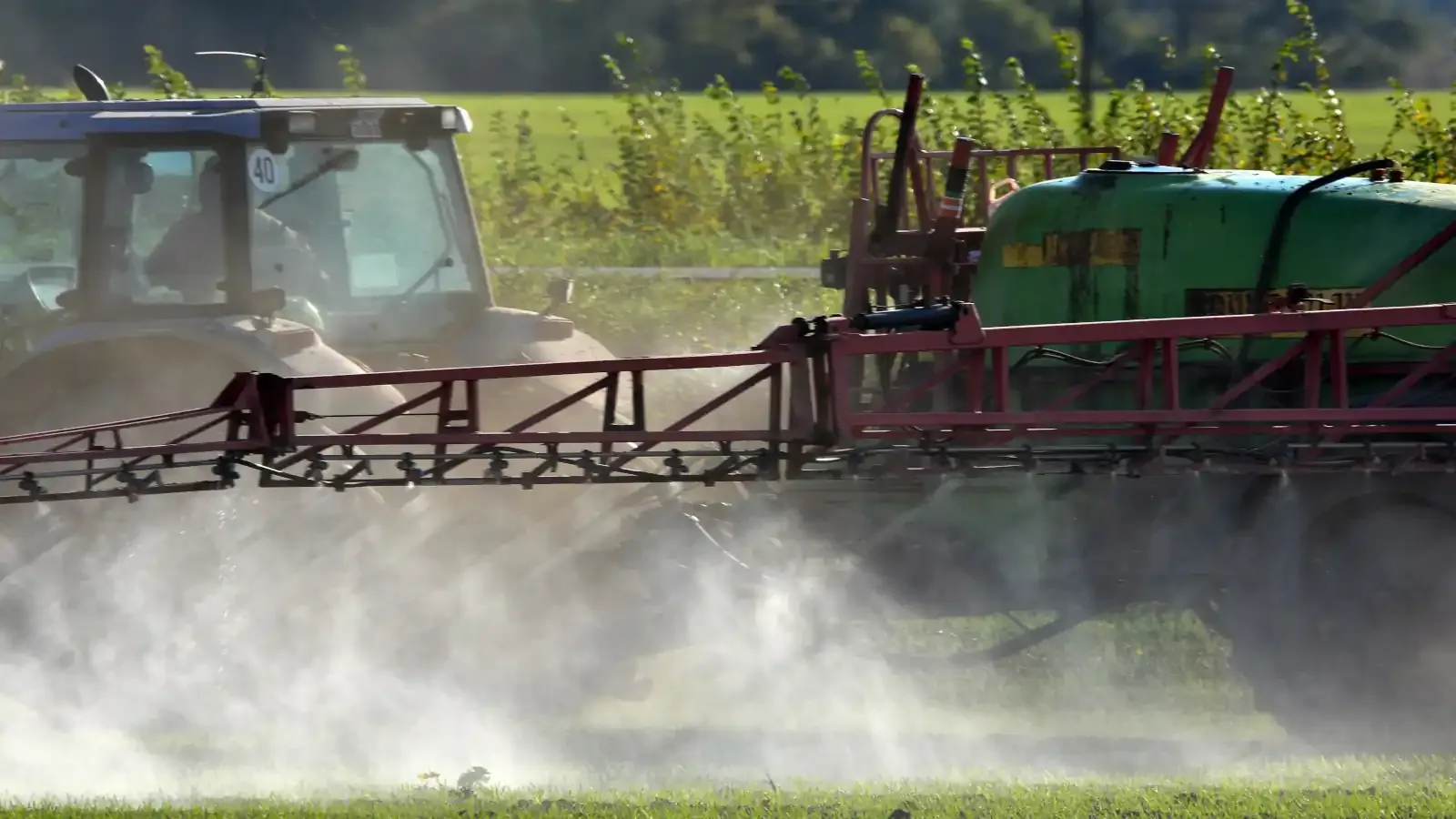
We might reassure ourselves by imagining that pesticides remain trapped in the plots where they were sprayed. Wrong. The obvious truth is that these chemicals move. They contaminate soil, air, water and, consequently, food. People living nearby can face substantial exposure to spray drift. Those further away can be exposed too.
Glyphosate has been found in clouds and rain. Then again, it has contaminated everything: gardens, waterways, human bodies, farm animals and wildlife. S-metolachlor made headlines when ANSES, France’s health and environmental safety agency, decided to ban it because of widespread contamination of drinking-water resources. Once sprayed on maize fields, S-metolachlor breaks down into “metabolites” that readily pass through soils and migrate invisibly into groundwater. Today, millions of people in France drink tap water that exceeds quality limits because of derivatives of this pesticide alone.
In another area, cadmium, currently making the news, perfectly illustrates how pollutants circulate through water and soil. Cadmium is not a chemical compound sprayed like a pesticide. It is a metallic element that contaminates soils primarily through phosphate fertilisers used in agriculture. Plants absorb it, spreading contamination throughout food webs. We find it everywhere: in bread, pasta, potatoes and cereals.
Inserm also reports an association between proximity to agricultural areas and Parkinson’s disease. Its assessment likewise suggests a link between living near pesticide applications during pregnancy and certain neurodevelopmental disorders in children. Evidence remains incomplete, and manufacturers exploit that uncertainty, often shamefully. But the increasing prevalence of certain diseases and disorders suggests that these chemicals are unlikely to be entirely innocent. The logical response would be to suspend their use while we establish the facts. For now, financial interests—and concerns about global food supply—take precedence. We will probably come to regret these choices even more in the decades ahead!
From the Illusion of Boundaries to the Exposome Trap
The reality is that we are never exposed to just one substance. Thousands of influences accumulate and interact throughout our lives. This is what we call the exposome: the totality of our exposures, from life in the womb to death.
Numerous studies are beginning to show that pesticide mixtures could contribute to the mechanisms leading to certain diseases, particularly cancers. In real life, nobody is exposed to a single chemical in a perfectly controlled laboratory. We encounter pesticides, air pollutants, endocrine disruptors and more, either successively or simultaneously.
Several factors shape the exposome. First, the duration and timing of exposure. Exposure during foetal development or early childhood can cause disorders such as autism or ADHD, or chronic diseases in adulthood. Then there is the cocktail effect: chemicals whose effects may be limited individually can interact when mixed. The exposome also reflects how substances move between different environments. That alone undermines the convenient idea that risk stops at the field boundary or workplace.
There is therefore a cumulative chemical footprint linked to each person’s environmental history.
The Destruction of the Living World Eventually Reaches Us Too
Pesticides affect insects, plants, aquatic organisms, soils and food chains. Yet our health depends precisely on these ecosystems functioning properly.
Humanity’s short-term thinking about agriculture and economics has proved particularly harmful. Our grandparents did not necessarily consider the potential consequences of pesticides for the living world. But can we really call that ignorance? Probably not. They likely knew these substances were not harmless. Yet after the war, did people genuinely have the luxury of asking such questions? My grandfather always told me: “After the war, we didn’t have many options. We had to rebuild.” Conveniently, the oil industry arrived to make reconstruction easier, in cities and fields alike.
But today, we know. Fewer pollinators mean weaker ecosystems and more vulnerable food production over the long term. Biologically depleted soils are less fertile. Water contamination requires more chemical treatment. The disappearance of natural pest-control organisms often allows pests to flourish, subsequently increasing… the need for pesticides.
A magnificent death spiral! In trying to simplify ecosystems with pesticides, we have made it necessary to use even more pesticides. Simply because simplified ecosystems function less effectively.
So, although it is another obvious truth that our loss of common sense has consigned to the forgotten storehouse of ancestral knowledge, human health cannot be separated from animal and ecosystem health. That is precisely the point of the One Health approach: one shared health.
But Can We Really Farm Differently?
This is usually where the supposedly unbeatable argument appears: “Fine, but without pesticides, we won’t produce anything.” Perhaps we would produce somewhat less. Producing would certainly be less straightforward. But research over the past decade has shown that another path is possible.
A path requiring choices, changes of direction and some things to be abandoned. It is not necessarily about replacing one chemical container with another labelled “organic” or “natural”. Above all, it means reducing dependence on treatments.
Solutions exist, and the results can sometimes be spectacular:
- Diversify crop rotations to break pest cycles.
- Grow more mixed crops to limit the spread of pests, parasites and diseases.
- Encourage hedgerows, grasslands and agroecological features that provide habitats for natural predators.
- Promote biological control using beneficial organisms.
- Replace herbicides with mechanical or physical weed control.
- Select varieties that allow farmers to grow naturally more resistant plants.
INRAE, France’s National Research Institute for Agriculture, Food and Environment, highlights several approaches:
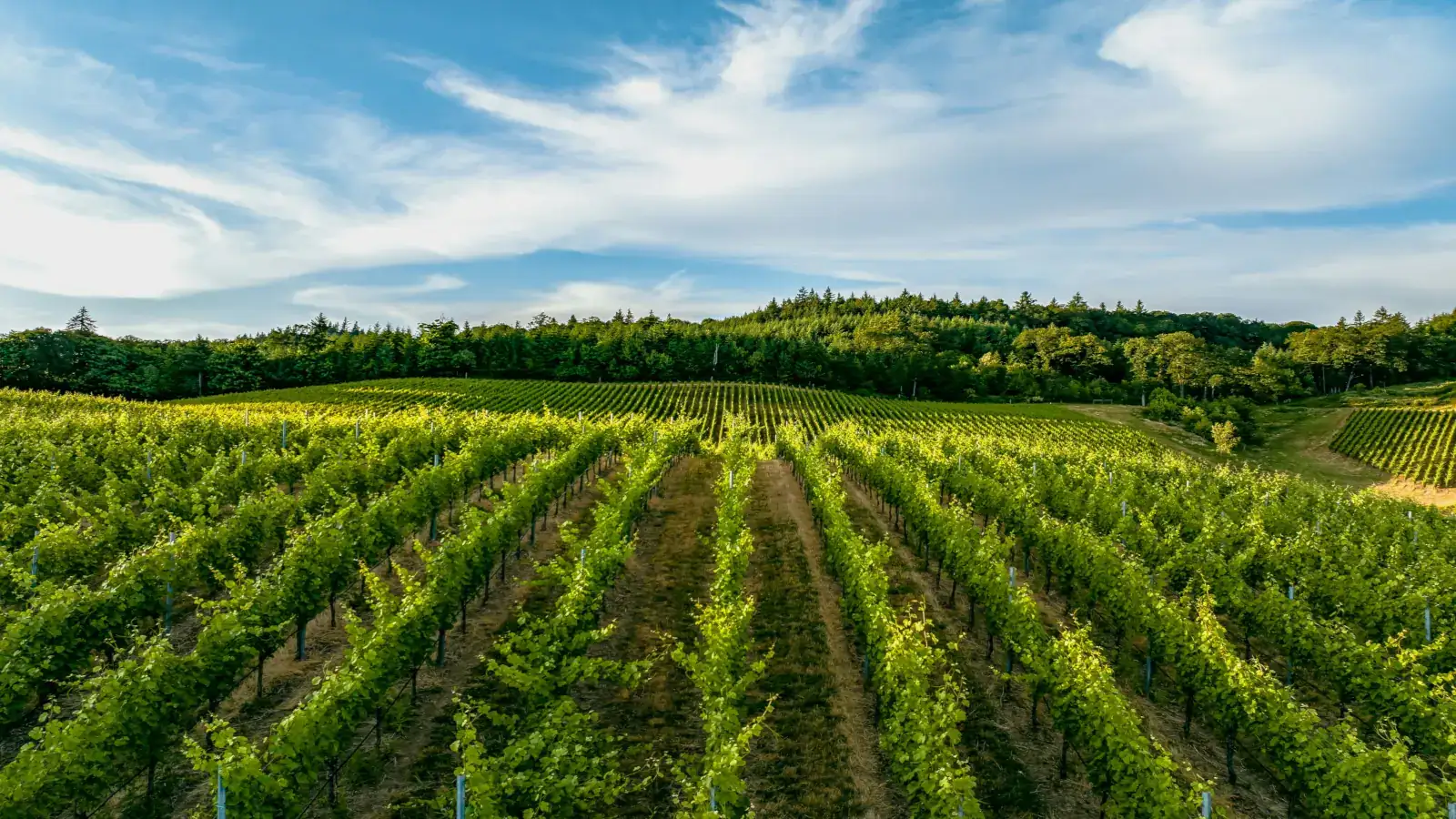
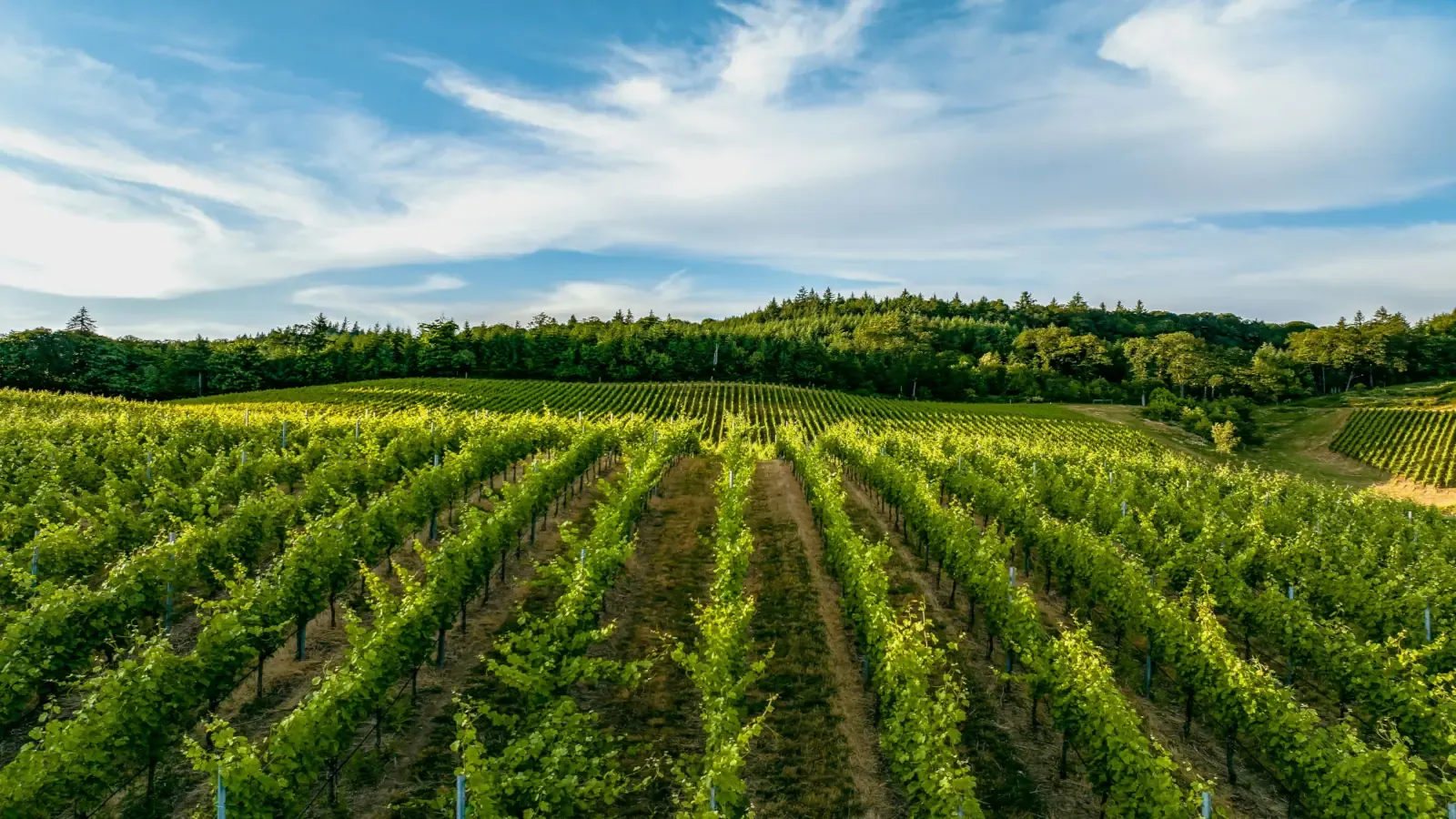
- Grapevine varieties resistant to downy and powdery mildew can reduce treatments against these diseases by more than 80%, sometimes 90%.
- With resistant potato varieties, combining varietal selection, prevention and decision-support tools reduces treatments against late blight by 50–80%.
- Diversifying crop sequences—in other words, using longer and more varied rotations on the same plot—can reduce pesticide use by around 20% across sixteen major French crop types.
- For neonicotinoids, the institute identified alternatives in 96% of the situations studied, including at least one non-chemical solution in 78% of cases.
The problem is therefore not merely technical. It is primarily economic, agricultural and political. For farmers, changing requires advice, research, time, new supply chains and investment. Above all, it requires a guarantee that farmers will not be left to pay alone for this almost revolutionary transformation of agriculture—one that is non-negotiable. For their survival, ours and that of the living world as a whole.
Prevention Often Costs Less Than Repair
Ultimately, this system of production and farming is truly strange. One of humanity’s priorities is to demand that doctors treat Parkinson’s, cancer and respiratory diseases. When farmers become ill and a link is established, we compensate them. Drinking water is monitored ever more closely; it is worth its weight in gold. Research into pesticide effects costs a fortune.
Meanwhile, we continue treating pesticide reduction as an environmental constraint that is apparently far too burdensome. Perhaps we are simply approaching the problem backwards? Reducing pesticides is not just about protecting bees.
It means protecting the farmers who handle them and reducing exposure among children growing up near crops. It also means reducing water contamination, consumer exposure and pressure on ecosystems.
Waiting until we know precisely how many cancers, Parkinson’s cases or developmental disorders can be attributed to each chemical before acting is therefore unjustifiable. Preventive medicine will almost always be cheaper and more effective.