
Two centuries of industrialisation. Billions of tonnes of raw materials extracted. Ecosystems ravaged, the climate thrown off balance, land built over and an almost total dependence on fossil fuels. Listening to our politicians, you’d think the solution to all this was obvious: just swap out the engine. I admit I don’t understand how anyone can find that reassuring.
To hear them tell it, the “ecological transition” has become a strange political promise: we can change everything without anything changing. Everything must change. And all the while, we’ll keep producing, consuming, getting around, building and destroying, flying and growing GDP. We’re hardly short of contradictions.
The happy transition, a lovely fairy tale
For several years now, the pitch has been well rehearsed. The ecological transition is a good thing. It will create thousands of jobs, boost purchasing power, rebuild French industry, cut our bills and strengthen our sovereignty.
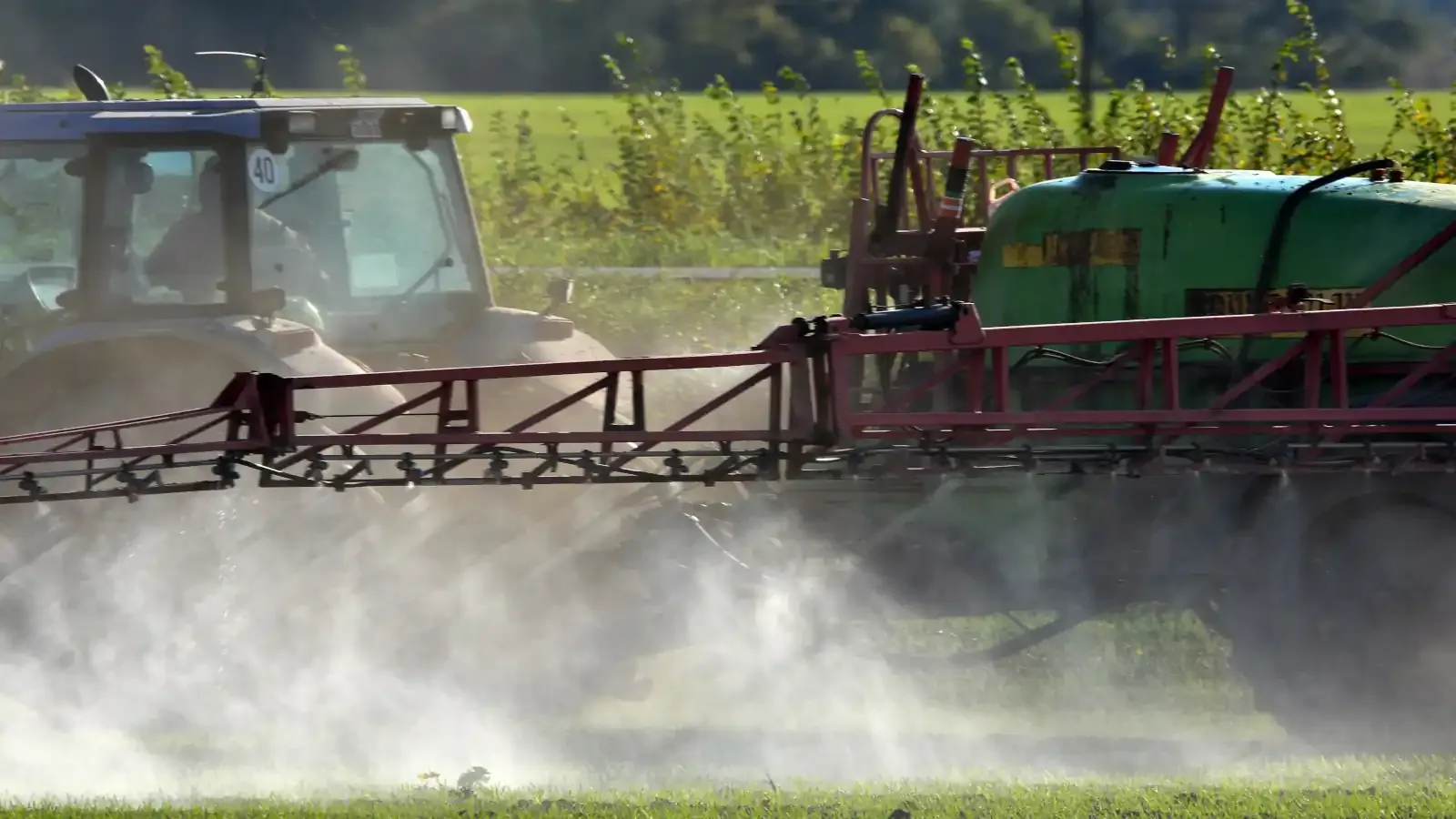
Yet this idea of a transition is a convenient mirage. Throughout history, new technologies have never simply replaced old ones, let alone delivered a transition. What we tend to see is one technology piling up on top of another. Add the rebound effect and you get soaring pollution and more destruction of ecosystems.
When we started using oil on a large scale after the Second World War, the economy and industry didn’t give up coal. The same goes for nuclear power, AI and so on.
The combustion-engine car has reigned supreme for nearly a century. Electric car sales are booming, yet petrol cars aren’t disappearing worldwide. More often than not, we add a new technology to the old one and the two coexist.
And Western societies hardly ever stop to ask: what for? We can do it, so we do it, whatever the consequences. The question of what it’s all for seems almost obscene. We love talking about the means and put off discussing the ends at almost every turn.
Technology lets us build a two-tonne electric car that can reach 100 km/h in four seconds. We’re rather less good at explaining why moving 80 kilograms of human being around every day takes two tonnes of materials. Well, it sells. And it makes a small minority richer, a minority that cares little about our shared future.
We’re planning for a world that’s disappearing
European civilisation depends heavily on resources it doesn’t have. Since Covid, we’ve all started to realise it, even if denial still feels like a way of protecting ourselves.
Oil is the most glaring example.
Oil is in everything. Without it, Western societies wouldn’t have ruled the world for as long as they did. Suburbs, shopping centres, agriculture, tourism and industry depend almost entirely on extracting oil or gas.
We’ve come to see this as the natural order of things. We keep building infrastructure meant to last for decades, all while saying we intend to slash our fossil fuel consumption.
Technology won’t spare us from making choices
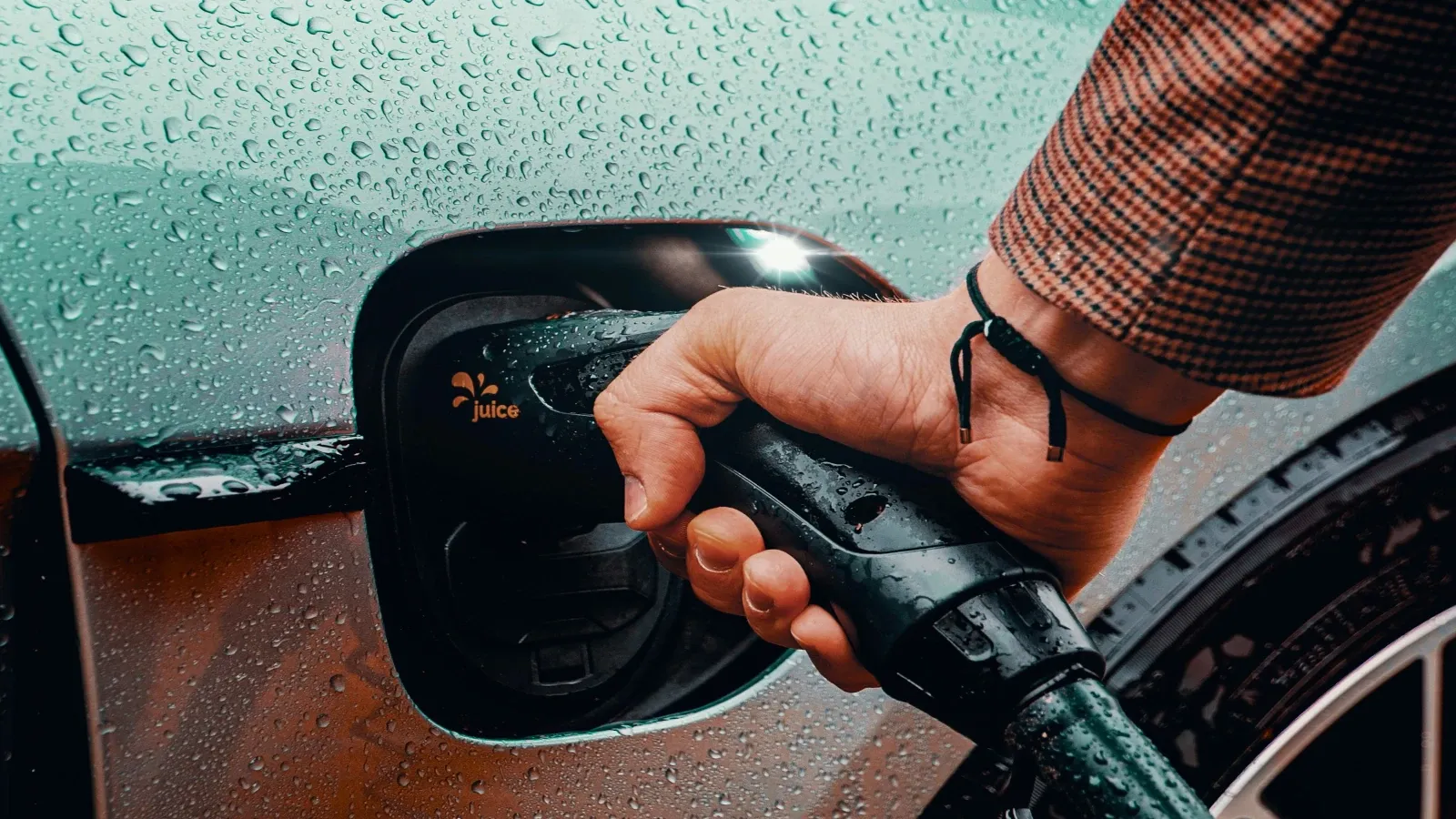
Electric cars are another excellent example. They’re generally a better option than petrol or diesel cars when it comes to cutting emissions from driving, especially where electricity is low-carbon, as it is in France.
But switching to electric won’t make a society built around journeys people have little choice but to make sustainable. Electric or otherwise, we’ll still have just as many car parks and motorways, and just as much polluting extraction. Yes, there’ll be less CO₂ in the atmosphere. Biodiversity will be no better off, though, and neither will we as we carry on hurtling towards disaster.
Replacing one product with another without questioning the system that makes it necessary only gets us so far. Let’s stop kidding ourselves. Cars are no greener than flying is sustainable or growth is green.
Some people dream of an inexhaustible source of clean energy. Even if that were possible, would we really want it? I can imagine what we’d do with it: build more, destroy more and encroach on ecosystems again and again.
Let’s stop fantasising about a world that will never exist and that we wouldn’t want anyway.
It’s time to choose what we want to do with this world. Is it somewhere to plunder, or a place to live that we want to preserve? The answer seems more than obvious to me, even if it means making a few sacrifices now.
Change means giving things up
A genuine ecological revolution will probably produce winners and losers. It’ll require huge investments. Thousands of once profitable activities will have to disappear. Some jobs will no longer be needed. Certain practices will be banned, sometimes at odds with what we want in the moment.
This revolution will force us to choose. And modern democracy seems downright allergic to choosing. Unlike autocracies and dictatorships, Western democracies want to have it all. Of course, they can’t:
- We can’t cut emissions without reducing the volume of goods, materials and people we move around.
- There’s little point talking about protecting biodiversity if we keep building over more land.
- How can we demand that we use fewer materials while making more things?
- What a bloody joke to claim we’re cutting air travel while expanding airports.
- It’s the same story with that famous ecological footprint. Our leaders talk about shrinking it while pushing to rebuild industry, bring production back home, boost purchasing power, make more and consume more.
Few people willingly set limits on themselves or give up certain habits for the common good. Immediate pleasure often carries more weight than future consequences.
Learning to want differently
Environmentalism is often accused of being punitive. It would be a serious mistake to present the changes we need as punishment. It would be just as delusional and dishonest to pretend everything will change without any effort or sacrifice.
Western societies have built a capitalist model that largely equates happiness with comfort, abundance and accumulation. It’s becoming increasingly clear that this model is failing us. Stress, anxiety, burnout and distress are a huge part of life in our societies.
Perhaps it’s time to ask what we mean by “wellbeing” and what happiness really is. The meaning we’ve given to the world is doing real damage. It’s long past time to rethink it.
We’ve accepted that what we call progress, comfort and even happiness depends on consuming enormous amounts of energy and materials, even if that makes life harder for future generations.
Seriously, when I stop and look at the world around me, what I mostly see is people rushing to work, rushing to pick up the kids from the childminder, rushing to do the shopping. Most people I know talk about one thing: making money, more and more of it, even if they make themselves miserable trying. We travel to the far ends of the planet without really knowing what’s around us.
Thinking differently about wealth and happiness might just save us. And it’s high time the things that got us into this mess went out of fashion.
We can no longer afford to avoid choosing
Forget both the nightmare of forced austerity and the fairytale stroll. The changes already under way and those still to come are inevitable. We can decide how to face them or have them forced upon us. If we do nothing, that nightmare of austerity, perhaps even authoritarianism, could well be our future.
We can no longer put off choosing. The decisions ahead will have to reckon with physical limits. They’ll provoke social tensions and possibly conflicts on a larger scale. We’ll have to redirect investment on a major scale and give some things up. Let’s hope we win a few things along the way, too.
For that to happen, we first have to stop lying to ourselves. And we need people to stop feeding us fairy tales. We can’t keep the world exactly as it is by tinkering around the edges. Switching energy sources won’t solve all the problems humanity already faces.
The ecological question is far more unsettling than switching energy systems or carrying on as before without the carbon. Since we have to make choices, the question is what we actually want to keep.
Of course, we’ll all agree on keeping healthcare, good food, an education worthy of the name, culture, social ties and the ability to get around. The list goes on.
But should we, or can we, still keep 1.5 billion cars, electric or otherwise? Is the future really going to be defined by fast fashion, two-tonne SUVs, flights from Paris to Nice, disposable products and the constant replacement of things we didn’t even know existed three weeks before we bought them?
It’s time our politicians took up these questions. Instead, they hunt around for a few billion here and there and congratulate themselves on an ecological breakthrough every time electric car sales rise. We might finally have a political debate worthy of the name.
Ecology goes beyond changing where our energy comes from. It asks us to decide what we want to use it for. The ends, before the means.