
Long enough, anyway, to have lived through several moments when we were told that this time, people had finally woken up. We must have woken up an awful lot of times by now.
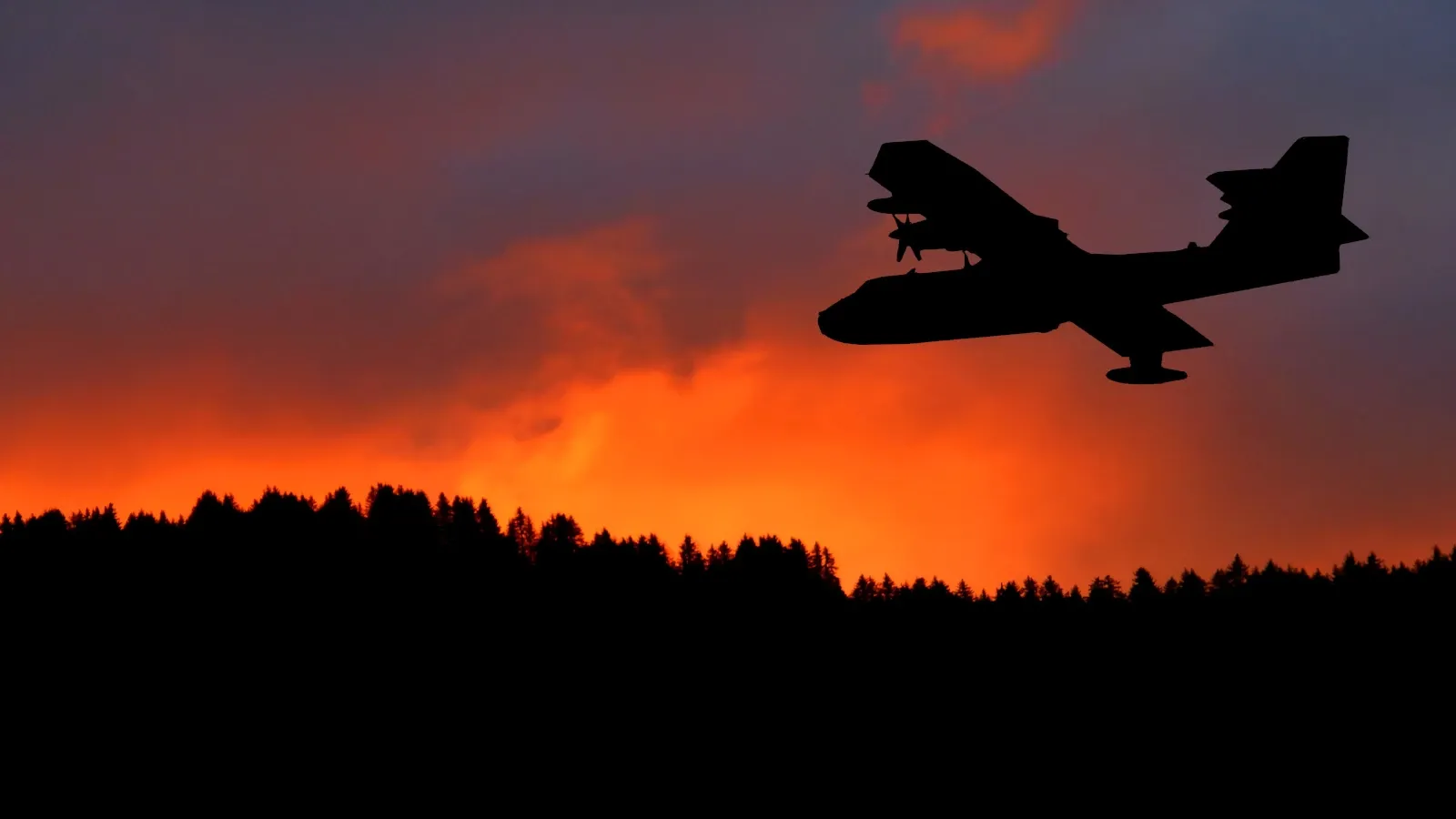
Heatwaves, wildfires, droughts and record temperatures punctuated our lives from May to September 2026. Nearly half the year to wake up to the disaster unfolding around us.
I remember being told that something had changed each time. To hear journalists dutifully repeating the official line, citizens, businesses and governments had apparently got the message. Everyone seems to understand an awful lot. Then I look around and sometimes wonder what exactly it means to “understand”.
I’m hardly saying nothing has changed. But let’s get serious for a moment. For decades, scientists have been telling us we can’t keep extracting more resources, consuming more and pumping out ever more greenhouse gases. For decades, the research brought together by the IPCC has described the changes we’re seeing today.
Yet sometimes I get the feeling that our main response to the ecological emergency is to pick a date far enough away that nobody in the room will have to answer for it. We carry on. And frankly, I’m tired of it.
The worst part is that we always find excellent reasons to keep the system going. And since one more contradiction won’t hurt, we invent new tools that multiply our capacity to do damage. Data centres and artificial intelligence are expanding at breakneck speed, with no apparent limit. We build these tools because we can. We set no limits and barely stop to ask whether they’re useful, necessary or harmful. Some people even justify them by saying they’ll help solve the problems we face, even as their expansion helps make those very problems worse!
It’s enough to make you despair.
Everyone’s an environmentalist as long as nothing changes
The old-fashioned climate sceptic isn’t even what irritates me most any more. The person still telling you the climate has always changed is almost a relief. We know exactly how that conversation goes by now. It’s old and worn out. At least you know what you’re getting into.
The climate sceptic can seem like an eccentric from another age, and often makes people laugh. What really gets on my nerves is the apparent consensus taking shape.
We have to protect the planet, and we’re doing everything we can to make it happen. Obviously. Who could possibly be against that? Neither you nor me, that’s for sure. Everything is becoming sustainable. Companies pollute less and work every day to build a sustainable future. Unfortunately, because they pollute less per product, they give themselves licence to make ever more of them. So overall pollution doesn’t fall at all. Same story with cars, planes and investments. Everything’s going green.
If it weren’t so shamelessly cynical, I might almost say that if we add enough of the right adjectives, we’ll eventually change the laws of physics. Greenwashing is everywhere, all the time.
What do you even say after hearing that sort of nonsense? Recent events keep proving otherwise, yet truth and fiction blur together and nothing really moves forward.
Try talking about cutting back on certain journeys, building over less land, making more room for wildlife or simply keeping our things for longer. For many people, that’s where they stop listening. The discussion changes in an instant. Five minutes ago everyone was an environmentalist. Suddenly you’re facing a room full of constitutional lawyers specialising in fundamental freedoms.
I’m exaggerating a little, I’m sure. But listen closely to some commentators and you’ll see I may be closer to the mark than you think. If you’re only thinking as far as next week, it’s all rather reassuring. Over the long term, none of it holds up.
It wears you down. The present matters, and the future matters even more. Keep doing nothing and we’ll reach a point where there’s no going back. The damage will be irreversible. The dead won’t come back.
Curbing the amount of greenhouse gases in the atmosphere won’t by itself halt biodiversity loss or stop us depleting our reserves. Yet to hear our leaders tell it, it’s the challenge of the century. It’s one of several, and probably not the hardest to deal with. That hardly makes it easy, of course.
Reality doesn’t have to be appealing
Yes, trying to convince people is exhausting. Just saying that sounds dangerously close to giving up. I have no desire to give up. But some days, I admit, I’m fed up.
I’m also fed up with the endless argument over whether environmentalism is punitive or ought to be appealing. Saying that biodiversity is collapsing because we consume too much is never going to sound appealing. How could it?
Bad news is bad news. There’s no point twisting words or ideas to make it easier to swallow. I understand wanting to give people something positive to rally around. But reality has no obligation to be appealing. And if you look closely, there’s not much about the world as it is that appeals either…
Some things simply have to be done because they’ve become necessary. And let’s be clear. The environmental changes and measures we need won’t make us more comfortable, boost economic growth or raise our purchasing power. Carrying on doing nothing, as we have so far, will be far worse. Plenty of studies point that way.
I’m willing to believe that what we’ve lived through over the past decade or so has changed how people think. But action is taking far too long. Talking about what we’re going to do often seems to count for more than actually doing it.
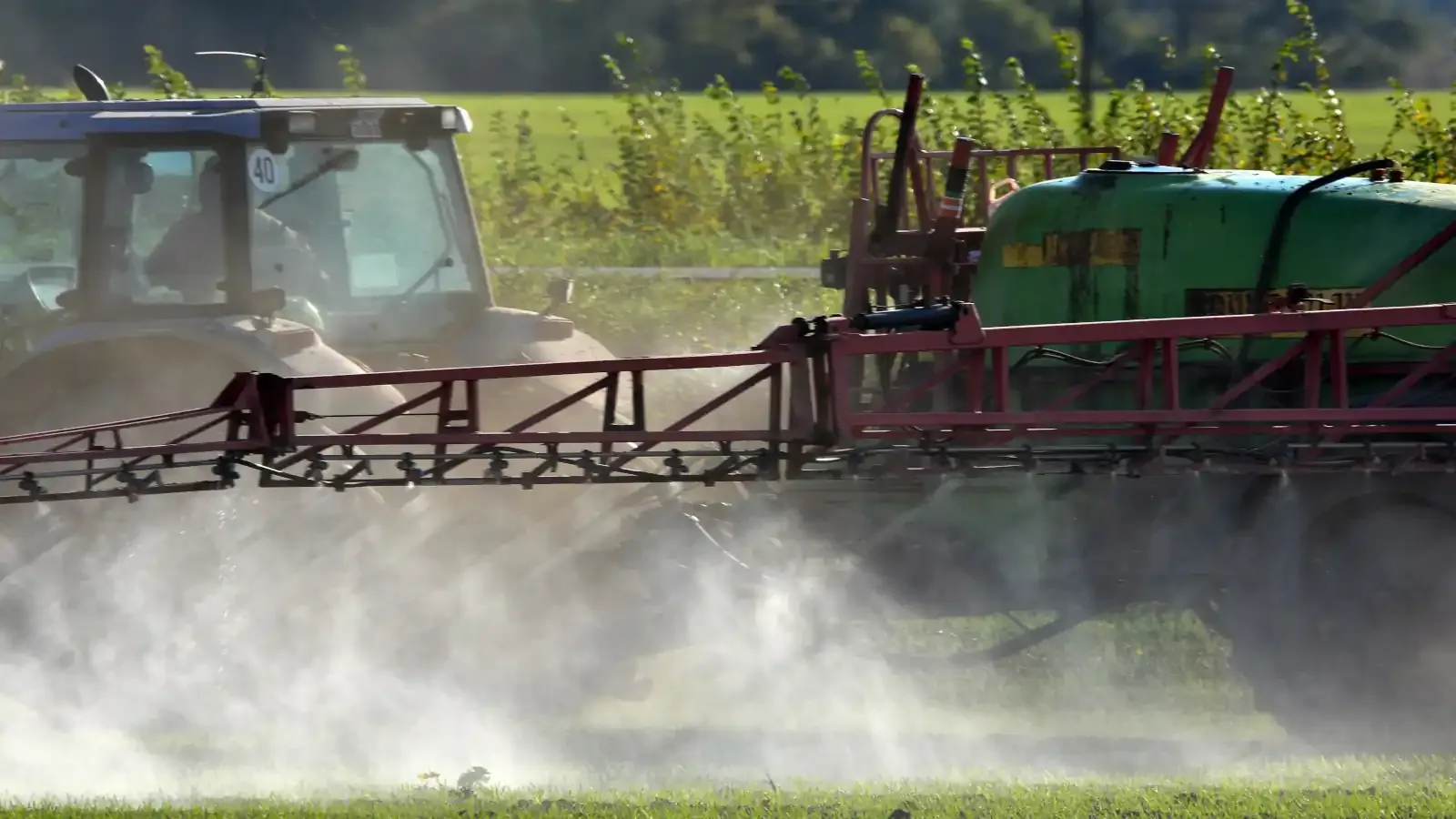
The trains are full, and that’s good news. Rising diesel prices have pushed people to drive a little less. Yet air traffic keeps growing. Intensive farming carries on at the expense of soils that are wearing out. There are even plans to clear huge areas teeming with life to build a manga theme park meant to draw millions of tourists from around the world! Hardly a sign that we’ve all woken up, is it?
Half a century, and we’ll start tomorrow
We in the West have developed an extraordinary knack for denying the obvious and blaming others for our most glaring failures.
When every discussion starts with blaming someone else for the disaster, we end up doing little, if anything. I hear politicians constantly throwing out lines like “All we have to do is…” or “We need to…”, only to follow them with “But there’s no point if everyone else won’t do it too.”
We talk a lot about the eco-anxiety of people who are just discovering the scale of the problem. Fair enough. It’s something you go through. But seriously, scientists and environmentalists have been warning us for nearly half a century, with the evidence to back them up. All those awakenings and grand commitments should have translated into action long ago!
It really is enough to make you despair…